Essential Features to Consider When Buying Head Torches
When selecting the ideal head torch, it is essential to consider various features that can significantly impact your experience, whether you are hiking in the wilderness, working in dim environments, or enjoying a night run. With a myriad of options available in 2026, understanding these features will help you make an informed decision.
Brightness Levels
The brightness of a head torch is measured in lumens, which indicates how much light it emits. For general use, a head torch with a brightness range of 100 to 300 lumens is usually sufficient. However, if you plan on engaging in activities like caving or searching in the dark, you might require a torch that offers higher brightness levels, potentially exceeding 1,000 lumens. Furthermore, look for models with adjustable brightness settings to tailor the output according to your needs and conserve battery life.
Beam Distance and Type
The beam distance is another critical feature to consider when purchasing a head torch. This measurement tells you how far the light can reach and is vital for outdoor adventures. A beam distance of at least 50 to 100 metres is generally recommended for hiking and camping. Additionally, head torches can feature different beam types, such as flood or spot beams. Flood beams provide a wide area of illumination, making them ideal for close-up tasks, while spot beams concentrate light into a focused area, perfect for long-distance visibility.
People Also Look For:
- MOXTOYU 2 Packs Lumilight Head Torch Lightweight Headlamp Wide Beam Head Torches LED 400lumen Rechargeable 9 Modes Motion Sensor 2...
- Energizer Vision HD+ Focus LED Head Torch, Bright Headlamp, Water Resistant, Lightweight for Indoor and Outdoor Activities, Batter...
- Head Torch Rechargeable,Super Bright 50000LM 6 Modes LED Headlight with Red Warning Light Motion Sensor,5200mAh USB Rechargeable W...
- Blukar Head Torch Rechargeable, 8000L Super Bright Headlamp with 3 Lights 5 Modes, 4400mAh Capacity, 20 Hrs+ Runtime - IPX6 Waterp...
- Energizer Vision HD+ 315 Lumen Head Torch, Rust Red Headlight, Water‑Resistant LED,Powerful Bright Headlamp, Built for Runn...
Battery Type and Life
Battery efficiency is crucial, particularly for extended use scenarios. Head torches come with different battery types, including disposable alkaline batteries and rechargeable lithium-ion batteries. While disposable batteries are convenient, a rechargeable option can save you money in the long run. Look for models that offer a battery life of at least 10 hours on a medium setting to ensure they last through your adventures. Some head torches even provide a battery indicator, which is helpful to prevent unexpected power loss.
Weight and Comfort
When wearing a head torch for an extended period, comfort and weight become significant factors. Ideally, a head torch should weigh around 100 grams or less to prevent fatigue. Opt for adjustable straps that provide a secure fit without being too tight. Consider models with padding on the band, as this can significantly enhance comfort during prolonged use. Always try on the torch before committing to ensure it feels comfortable and stable on your head.
Water and Dust Resistance
If your activities involve exposure to moisture or challenging environments, consider a head torch with water and dust resistance. Look for an Ingress Protection rating (IP rating), which indicates how well the device can withstand the elements. An IPX4 rating signifies that the torch can resist splashes from any direction, while an IPX7 rating indicates it can withstand immersion in water up to one metre for a limited time. This feature ensures durability during outdoor adventures.
Additional Features
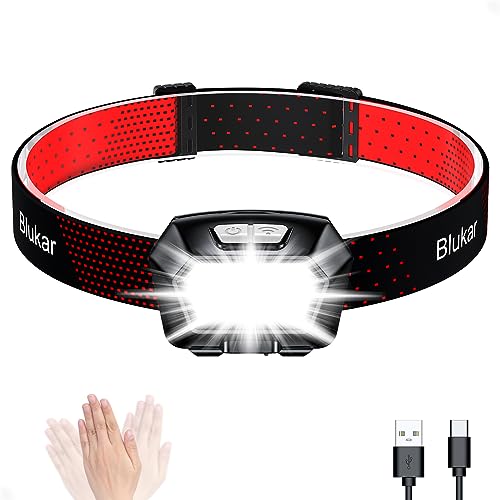
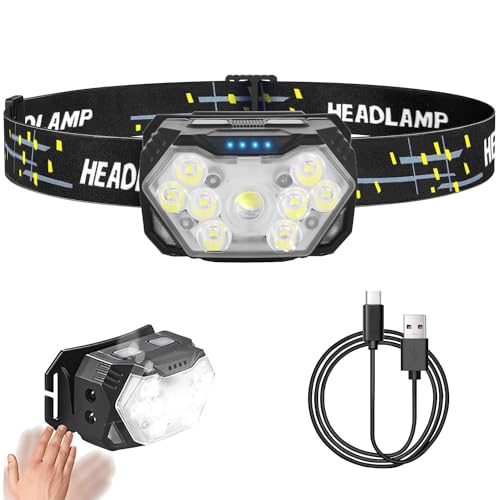
Modern head torches often come with additional features that enhance usability. Some models offer red light modes, which are useful for preserving night vision and are less disruptive to others in your vicinity. Others may include motion sensors that allow you to turn the light on or off with a wave of your hand, which can be very convenient when your hands are occupied. Furthermore, consider head torches that have a lockout feature to prevent accidental activation when stored.