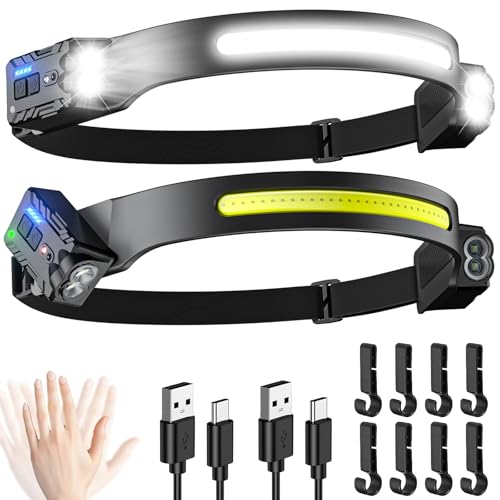
Essential Headtorch Features for Nighttime Hiking 2026
As outdoor enthusiasts gear up for adventures in 2026, the significance of having a reliable headtorch cannot be overstated. Nighttime hiking presents unique challenges, and a high-quality headtorch can significantly enhance the experience. In 2026, advancements in technology mean that hikers can choose from a range of features to ensure their safety and comfort during night excursions. This article explores the essential headtorch features to consider for nighttime hiking in 2026.
Brightness and Lumens
One of the most critical attributes of a headtorch is its brightness, often measured in lumens. In 2026, headtorches come equipped with varied lumen outputs to cater to different hiking needs. A headtorch with a higher lumen count provides greater visibility, essential for navigating dark trails. For instance, a headtorch with 300 to 500 lumens is ideal for most nighttime hiking scenarios, allowing visibility up to 100 meters.
Moreover, modern headtorches often feature adjustable brightness settings. This allows hikers to conserve battery life when less illumination is needed. For example, during a leisurely stroll along a well-marked path, a lower setting may suffice, while challenging terrain may require maximum brightness. Such flexibility is invaluable for ensuring a safe hiking experience in 2026.
Beam Distance and Type
In addition to brightness, the beam distance plays a vital role in selecting a headtorch. Beam distance refers to how far the light can project ahead. In 2026, many headtorches offer a combination of flood and spot beams. A flood beam provides broad illumination for close-up tasks, while a spot beam focuses on long-range visibility.
Consider a scenario where a hiker approaches a fork in the trail at night. A headtorch that combines both beam types allows the hiker to see the surroundings clearly while also illuminating distant markers. This versatility improves navigation and enhances overall safety during nighttime hikes in 2026.
People Also Look For:
- CIRYCASE Head Torch, Ultra-Light Rechargeable LED Headlamp with White Red Light, IPX4 Waterproof & 5 Modes Adjustable Headlamp Div...
- Head Torch Rechargeable, 2-Pack Super Bright 300° Wide Beam & 270° Adjustable Spotlight LED Headtorch, 8 Modes Motion Sensor, Wa...
- Wmcaps LED Beanie, Type-C Rechargeable with Thermal Fleece Lining Hands-Free Headlamp Light Up Winter Bobble Hat with Pom-Pom for ...
- 100% PeakPower CR2025 Battery – 10 PCS 3V Lithium Battery for Car Keys - CR2025 Coin Cell Batteries for Keyfob’s, He...
- Blukar Head Torch Rechargeable, 2000L Super Bright Headlamp Waterproof Headlight with Hands Free Sensor Control&6 Lighting Modes -...
Battery Life and Charging Options
Battery life is a critical factor for any hiking gear. A headtorch that can last several hours on a single charge is essential for extended nighttime hikes. In 2026, many models feature rechargeable batteries that can last up to 30 hours on lower settings. This extended battery life means hikers can confidently embark on longer journeys without the worry of running out of power.
Furthermore, some headtorches come equipped with solar charging options or USB-C ports for convenient recharging on the go. Imagine hiking in remote areas where access to power sources is limited. A headtorch that can recharge via solar energy provides a sustainable solution, ensuring that hikers have a dependable light source throughout their adventures in 2026.
Weight and Comfort
Comfort during nighttime hikes is paramount, especially when wearing a headtorch for extended periods. In 2026, the trend is toward lightweight materials that do not compromise durability. Many modern headtorches weigh less than 100 grams, making them easy to wear without straining the neck or head.
In addition to weight, adjustable straps and ergonomic designs enhance comfort. A well-fitted headtorch reduces the likelihood of slipping or causing discomfort during movement. For example, a hiker navigating a rocky trail can focus on their surroundings rather than adjusting their gear. Features such as sweat-wicking materials for the straps can also improve comfort during warm weather hikes.
Durability and Weather Resistance
Given the unpredictable nature of outdoor conditions, a durable headtorch is essential for any hiker. In 2026, headtorches are designed to withstand various elements, including rain, snow, and extreme temperatures. Look for models with an IP rating, indicating their level of water and dust resistance. A headtorch with an IPX4 rating can handle splashes, making it suitable for wet environments.
Real-world scenarios illustrate the importance of durability. Consider a night hike that unexpectedly encounters rain. A weather-resistant headtorch ensures that visibility is maintained without the risk of malfunction. Additionally, rugged construction materials can extend the life of the headtorch, making it a wise investment for frequent hikers.
Additional Features for Enhanced Functionality
In 2026, extra features can greatly enhance the functionality of headtorches. Some models include built-in red light modes, which are less likely to disturb wildlife and help preserve night vision. This feature is particularly beneficial for hikers who may be camping or observing wildlife during their nighttime excursions.
Moreover, features such as motion sensors allow users to turn on or off the headtorch without using their hands. This can be invaluable when multitasking, such as setting up a tent or cooking. Hikers can easily activate their lighting with a simple head movement, making night activities more manageable and efficient.
Conclusion
In 2026, choosing the right headtorch involves considering various features tailored to enhance nighttime hiking experiences. Whether prioritizing brightness, battery life, comfort, or additional functionalities, the options available cater to diverse hiking needs. As technology evolves, so do the capabilities of headtorches, ensuring that outdoor enthusiasts are well-equipped for their adventures. Investing in a quality headtorch that meets these essential criteria can significantly improve safety and enjoyment during nighttime hikes this 2026.