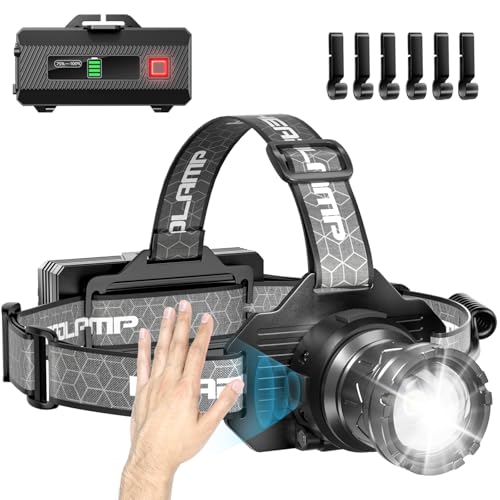
Avoid These Mistakes When Buying Your First Headtorch
In 2026, the popularity of headtorches has surged as outdoor activities continue to gain traction. Whether you are hiking, camping, or working in low light conditions, a headtorch serves as an essential tool. However, first-time buyers often encounter pitfalls that can lead to disappointing purchases. Understanding these mistakes can empower you to make an informed decision that meets your specific needs.
Understanding Your Needs
Before diving into the world of headtorches, it is crucial to assess your specific requirements. Different activities demand different features. For instance, if you are an avid hiker planning night treks, you need a headtorch that provides powerful illumination and extended battery life. Alternatively, if you frequently engage in close-up tasks such as reading maps or working on small mechanical projects, a headtorch with adjustable brightness settings and a focused beam may be more suitable.
In 2026, many consumers overlook the importance of understanding their intended use. A common mistake is purchasing a headtorch based solely on brand reputation or price, rather than functionality. Take the time to reflect on how you will use the device. Will you need it to be waterproof for rainy conditions? Are you looking for lightweight options for long-distance hikes? Assessing these factors will guide your decision.
Ignoring Lumens and Beam Distance
One of the critical specifications to consider when buying a headtorch is brightness, measured in lumens. In 2026, consumers often misinterpret lumens, thinking that higher numbers always equate to better performance. While it is true that a more luminous headtorch can illuminate a larger area, it is essential to consider beam distance as well. A headtorch with 500 lumens may sound impressive, but if it has a short beam distance, it may not be suitable for long-range visibility.
For example, if you plan to use your headtorch for mountain climbing in 2026, you will benefit from a model that offers both high lumens and long beam distance. This ensures that you can see obstacles ahead and navigate safely in challenging terrains. On the flip side, if your intended use is casual evening walks, a headtorch with moderate lumens and a shorter beam distance may suffice. Understanding these specifications can help you choose a headtorch that meets your needs.
People Also Look For:
- Energizer Vision HD+ 315 Lumen Head Torch, Rust Red Headlight, Water‑Resistant LED,Powerful Bright Headlamp, Built for Runn...
- 100% PeakPower CR2025 Battery – 10 PCS 3V Lithium Battery for Car Keys - CR2025 Coin Cell Batteries for Keyfob’s, He...
- Victoper 9 LED Rechargeable Head Torch, 3500 Lumens Super Bright Led Head Torch Running 10 Modes IPX4 Waterproof Head Lamps for Ad...
- Wmcaps LED Beanie, Type-C Rechargeable with Thermal Fleece Lining Hands-Free Headlamp Light Up Winter Bobble Hat with Pom-Pom for ...
- CIRYCASE Head Torch, Ultra-Light Rechargeable LED Headlamp with White Red Light, IPX4 Waterproof & 5 Modes Adjustable Headlamp Div...
Battery Life Matters
When selecting a headtorch, the type of battery and its longevity should not be an afterthought. Many first-time buyers make the mistake of choosing a model without considering how battery life aligns with their usage. In 2026, rechargeable batteries have become increasingly popular, offering convenience and sustainability. However, it is still essential to evaluate how long the battery lasts in various modes.
For instance, a headtorch might offer up to 200 hours of battery life on low settings but only 10 hours on high settings. If you plan to use your headtorch for extended periods during camping trips, you will want a model that can sustain itself on higher settings for longer durations. Conversely, if you expect to use it sporadically, a model with quicker charging capabilities may suit you better.
Neglecting Comfort and Fit
Comfort is another critical aspect that many first-time buyers often overlook. In 2026, headtorches come in various sizes and weights. A common mistake is to assume that all headtorches will fit comfortably. A poorly fitting headtorch can lead to discomfort during extended use, making your activities less enjoyable. Look for headtorches with adjustable straps that allow for a snug fit without being overly tight.
Additionally, consider the weight of the headtorch. A lightweight model can prevent neck fatigue during long treks. If you plan to participate in activities like trail running or mountain biking, a lightweight headtorch will be indispensable. Ensure that you try on different models and adjust the straps before making a purchase.
Considering Additional Features
As technology advances, many headtorches now come equipped with a variety of features that can enhance your experience. In 2026, features such as multiple lighting modes, red light settings, and motion sensors have become commonplace. However, first-time buyers often ignore the importance of these additional functionalities and how they can benefit their specific activities.
For example, a red light setting is excellent for preserving night vision when navigating in darker environments. If you are camping in 2026, this feature allows you to check your surroundings without disturbing your companions. Motion sensors, on the other hand, can provide hands-free operation, which is beneficial during tasks that require both hands. When exploring different models, make sure to evaluate the extra features and determine their relevance to your needs.
Reading Reviews and Feedback
In the digital age, consumer reviews and feedback have become invaluable resources. In 2026, many buyers make the mistake of skipping this step, relying solely on advertising claims. Reading reviews provides insights into the real-world performance of a headtorch. Look for feedback related to battery life, durability, and comfort from users who have similar needs as you.
Websites and forums dedicated to outdoor gear often feature detailed reviews where users share their experiences. This can help you identify potential issues and advantages that may not be highlighted in product descriptions. In 2026, leveraging the collective knowledge of other users can significantly enhance your decision-making process.